10630 Town Center Drive, Suite 102
Rancho Cucamonga, CA 91730
Rancho Cucamonga, CA 91730
 Are you a parent facing child support matters in Fontana, California? At All American Law, our attorneys have over 30 years of combined family law experience and provide direct, individualized legal guidance. Contact us at 909-944-8880 to speak with a Fontana child support lawyer about establishing, modifying, or enforcing a support order.
Child support can affect both your child’s well-being and your finances. Whether you are seeking support, responding to a request for support, or dealing with an existing order, understanding how California calculates and handles child support can help you make informed decisions.
 Child support cases can involve more than putting income figures into a formula. Disputes may arise over a parent’s earnings, parenting time, health insurance, child care costs, or whether circumstances have changed enough to modify an existing order. If you’re a parent who needs help in Fontana, CA, All American Law is here to give you guidance.
Our Fontana family lawyers can help you:
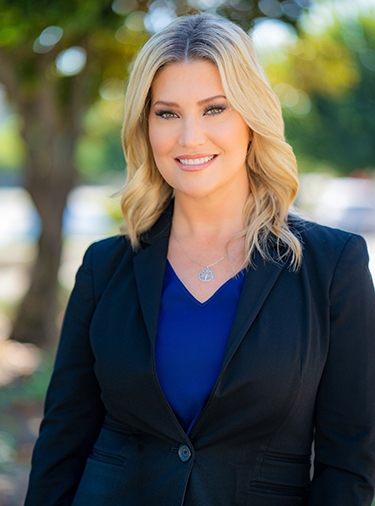
Christine R. James, the firm’s owner, principal attorney, and lead attorney, is a Certified Family Law Specialist, certified by the State Bar of California Board of Legal Specialization. Our Fontana family law attorneys will guide you through the process step-by-step.
Contact us today to schedule an initial consultation.
California uses a statewide guideline formula to calculate child support. The formula considers each parent’s income and the amount of time each parent has primary physical responsibility for the children, along with other factors established by law. Courts generally order the guideline amount unless a legally recognized reason supports a different amount.
Because several variables affect the calculation, changes in income or parenting arrangements can produce different results. Accurate financial and parenting-time information is therefore important when establishing support.
California child support calculations can account for income from many sources. Depending on the circumstances, relevant income may include:
Courts may also consider a parent’s earning capacity instead of actual income in circumstances permitted by California law. Financial records such as tax returns, pay statements, and business documents may become important when income is disputed.
Yes. California’s guideline formula considers the approximate percentage of time each parent has primary physical custody of the children. Parenting time can therefore affect the amount of support ordered.
However, parenting time is only part of the calculation. The parents’ respective incomes and other financial factors also matter, so having substantial parenting time does not necessarily eliminate a child support obligation.
A child support order may involve expenses beyond the basic guideline amount. California law requires courts to add certain costs to child support, including qualifying child care costs related to employment or reasonably necessary education or training, and reasonable uninsured health care costs for the children.
Courts may also order additional support for certain educational or special needs and travel expenses related to visitation. Which expenses apply depends on the family’s circumstances.
Child support may be modified when circumstances change after a divorce or other family law proceeding. A significant change in income, employment, parenting time, or other relevant circumstances may justify asking the court to reconsider the existing amount.
Parents should not simply begin paying a different amount because their circumstances have changed. A court order remains enforceable until it is legally modified, and California generally limits how far back a modification can take effect. Acting promptly can therefore matter when a parent’s financial or parenting circumstances change.
Unpaid court-ordered child support can lead to enforcement action. Depending on the circumstances, enforcement can include income withholding and other legal collection measures.
The amount owed can also continue to accumulate when payments are missed. A parent who is not receiving ordered support may seek enforcement, while a parent who can no longer afford the existing amount may need to request a modification rather than stop paying.
California parents generally have a duty to support an unmarried child who has reached age 18, is a full-time high school student, and is not self-supporting until the child completes 12th grade or reaches age 19, whichever occurs first. In many cases, support otherwise ends when the child turns 18.
Different rules can apply in certain circumstances, including support for an adult child who is incapacitated from earning a living and lacks sufficient means. Parents may also agree to provide support beyond the period otherwise required by law.
Child support decisions in Fontana, CA, can affect your family’s finances for years. Clear advice can help you understand how California’s guidelines apply, identify disputed issues, and decide how to approach negotiations or court proceedings.
The lawyers at All American Law have over 30 years of combined experience handling family law matters. Our Fontana child support attorneys can provide information about establishing, modifying, or enforcing child support. Contact us today to schedule an initial consultation.